

Imagine walking down a familiar street. You notice the traffic. The people passing by. A bicycle leaning against a wall. Maybe a neighbor you recognize across the road.
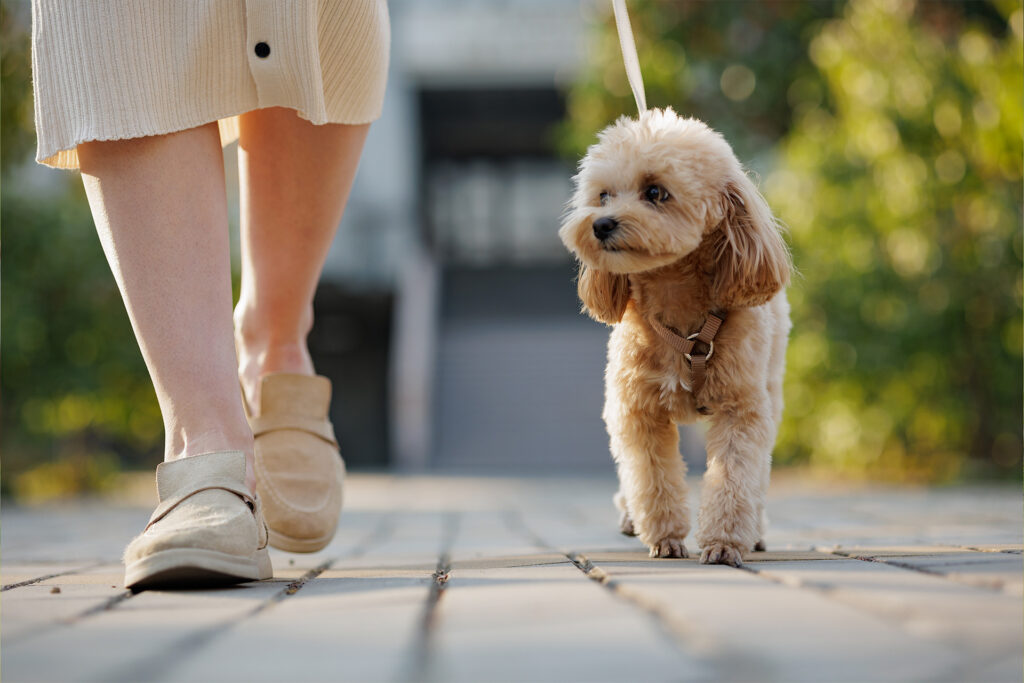
Your dog is walking down the same street but experiencing a different layer of it. A tree isn’t just a tree. A patch of grass isn’t necessarily just grass. Places that look unchanged to us may contain new scent information left behind by other animals, people or changes in the surrounding environment.
Olfaction plays a central role in how dogs gather information. Scientific research into canine olfaction shows that dogs use scent in recognizing individuals, investigating their surroundings, making decisions and learning about their environment. So when your dog suddenly stops during a walk and becomes intensely interested in a spot that looks completely ordinary, there may be much more there than you can perceive. The walk hasn’t necessarily stopped.
From your dog’s perspective, something interesting may have just begun.
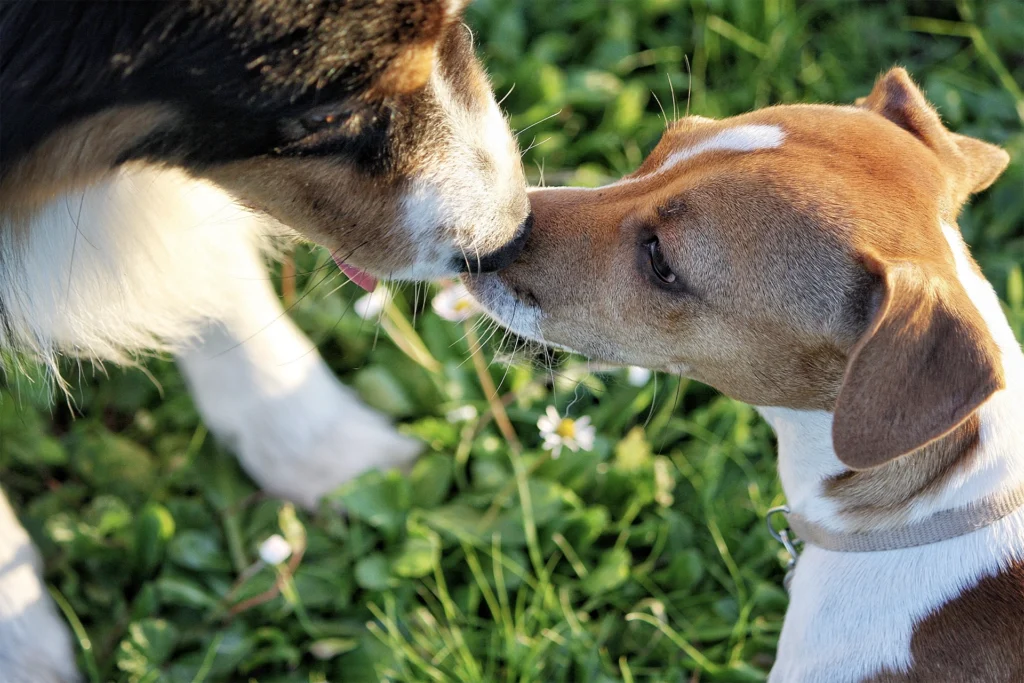
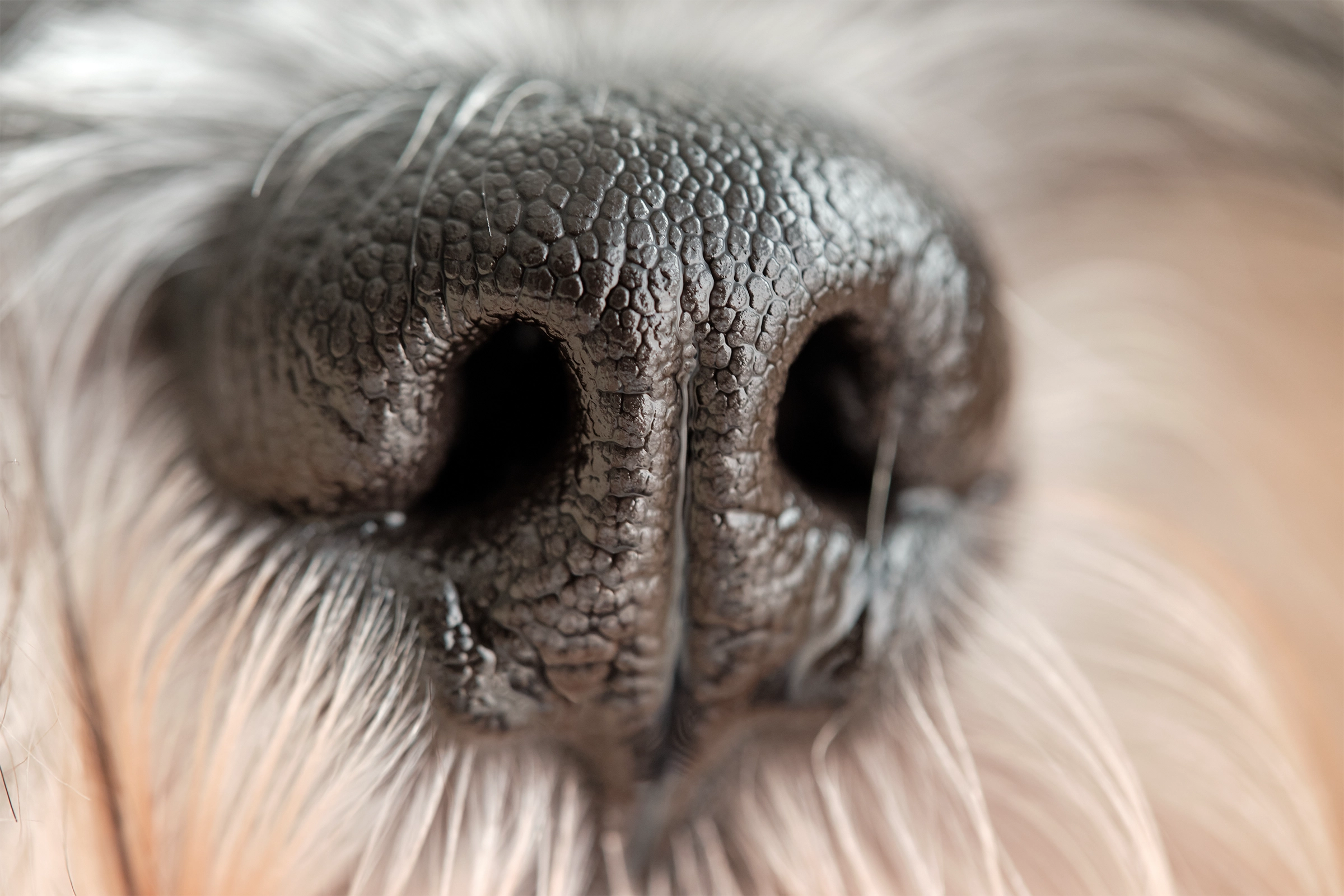
A dog’s extraordinary sense of smell isn’t simply the result of having a sensitive nose. The anatomy inside that nose is highly specialized.
Deep within the canine nasal cavity is a complex arrangement of structures called turbinates. Their intricate shape creates a large surface area, including regions covered by olfactory tissue containing sensory cells that respond to odor molecules.
But perhaps one of the most fascinating features is the way air moves through the nose. When a dog inhales, airflow can follow functionally different pathways. Most continues toward the respiratory system, while a portion is directed toward a specialized olfactory region toward the back of the nasal cavity. In other words, part of the dog’s nasal anatomy is effectively organized to deliver odor-containing air where it can be analyzed.
Breathing and smelling happen in the same nose but the airflow architecture helps make sophisticated odor sampling possible.
Here’s where things become even more interesting. When dogs actively sniff, they aren’t simply taking deeper breaths.
Sniffing creates a specialized pattern of airflow that helps transport odor molecules toward the olfactory region of the nose. Research using anatomically accurate models of canine nasal passages has shown that active sniffing can deliver substantially more air to the olfactory recess than quiet breathing. The structure of the nose also helps retain odor-containing air in the olfactory region during parts of the sniffing cycle, giving odor molecules an opportunity to interact with the sensory tissue.
This helps explain something every dog owner has seen: sniff, sniff, sniff, sniff.
Those rapid inhalations aren’t random. They’re part of the physical process dogs use to sample scent.
Dogs don’t necessarily experience an odor as one single stream of information.
Research into canine nasal airflow suggests that each nostril can sample odor-containing air separately. That matters because comparing information arriving from the two sides can help provide clues about where an odor is coming from.
It’s a little like having two ears. The comparison isn’t exactly the same process as hearing, but the basic idea helps make it intuitive: information arriving from different directions can help an animal locate its source. The next time you see your dog moving their head while investigating a scent, remember that smelling isn’t necessarily passive.
They’re gathering information from the space around them.
A scent can carry information about its source.
Dogs use olfactory information in social communication and in recognizing and investigating other individuals and their surroundings. That’s one reason scent marking is such an important part of canine behavior.
When a dog carefully investigates a place where another dog has been, they’re not simply interested in the object itself. They’re responding to chemical information associated with another animal.
Dogs can also distinguish familiar odors and learn associations between particular scents and experiences. Humans have learned to make use of this ability in remarkable ways. Specially trained dogs perform scent-detection work in fields ranging from search and rescue to conservation and detection tasks. But the underlying ability doesn’t belong only to working dogs.
Your dog uses the same fundamental sensory system every day even if the most urgent investigation of the morning happens to involve a lamppost.
This is where the difference between our experience and theirs becomes especially obvious. We tend to judge an environment visually. If nothing appears to have changed, we assume there’s nothing new to discover. Scent doesn’t work that way. Odors can appear, disappear, overlap and change over time. New animals and people move through an area. Environmental conditions can influence how scent travels and persists. So a familiar location doesn’t necessarily contain familiar information.
Your dog may investigate one spot carefully because there’s something there worth examining from an olfactory perspective even though you can’t detect it at all.
We can’t know exactly what a dog is interpreting from every individual sniff. And that’s important.
Understanding canine olfaction doesn’t mean pretending we can translate every smell into a specific message. It means recognizing that dogs have access to sensory information that lies largely outside our own perception.
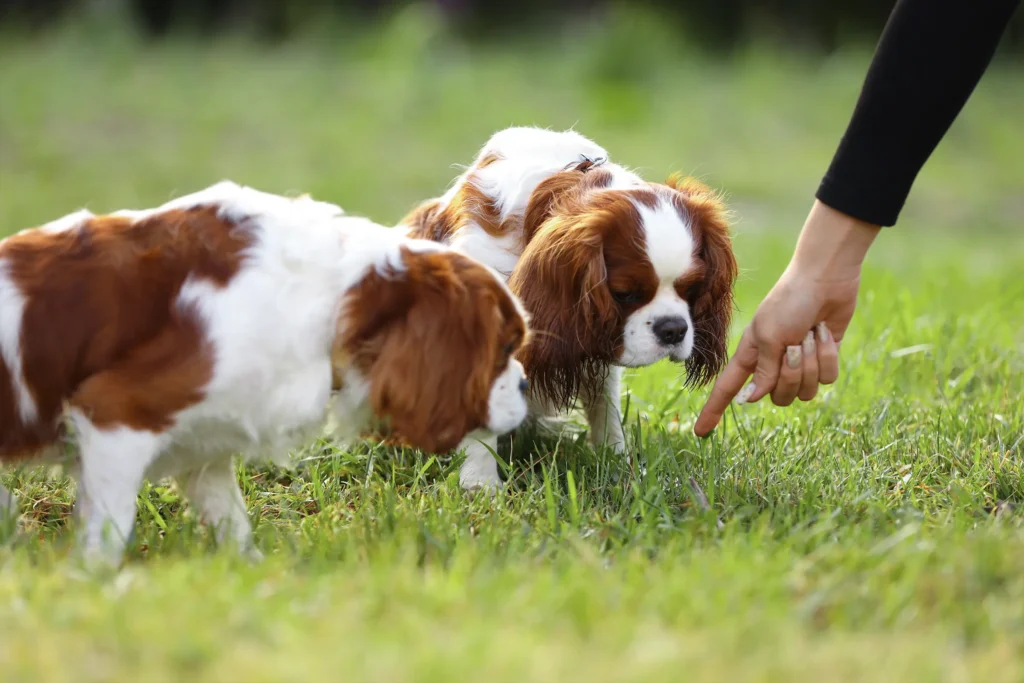
Stories about dogs detecting diseases or changes in human health are fascinating, and canine scent-detection research is a real area of scientific study. Specially trained dogs have been studied for their ability to distinguish particular biological odor signatures under controlled conditions. But that shouldn’t be confused with interpreting the everyday behavior of a pet.
If your dog repeatedly sniffs a particular part of your body, for example, that isn’t a reason to assume they’ve detected a medical condition.
Dogs investigate smells for countless reasons, and ordinary sniffing behavior cannot diagnose illness.
Health concerns, whether about you or your dog, belong with an appropriate healthcare professional.