

Everyday wellness is a holistic approach to caring for a dog’s physical and emotional well-being through consistent daily habits.
Rather than focusing on one single aspect of care, it brings together several parts of a dog’s life:
These elements are interconnected. Nutrition can influence energy. Activity provides physical exercise while also offering opportunities to explore. Play can provide mental stimulation and strengthen the relationship between dogs and the people they live with.
Wellness, in other words, is not a single action. It’s the bigger picture.
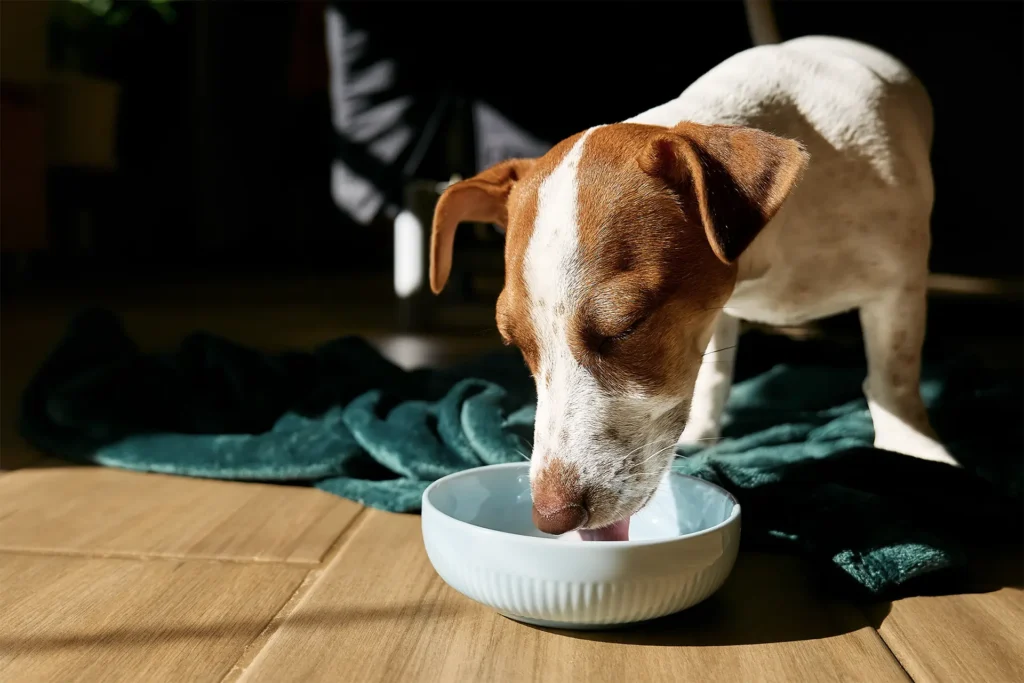
Food is one of the most important choices we make for our dogs every day.
A dog’s primary diet should provide appropriate nutrition for their life stage and individual needs. In the United States, foods labeled “complete and balanced” are intended to provide all required nutrients when fed as directed and must meet established nutritional adequacy requirements.
But nutrition isn’t only about what’s listed on the front of a package.
Portion size, body condition, activity level, age and lifestyle all matter too. A highly active young dog and a less active older dog may have very different nutritional needs.
Treats can also be part of everyday life — for training, enrichment or simply as a shared moment — but they should complement rather than replace an appropriate primary diet.
The goal isn’t to make feeding complicated. It’s to make it thoughtful.
Dogs are made to move.
Walking, running, playing and exploring provide physical activity, but movement can offer much more than exercise alone.
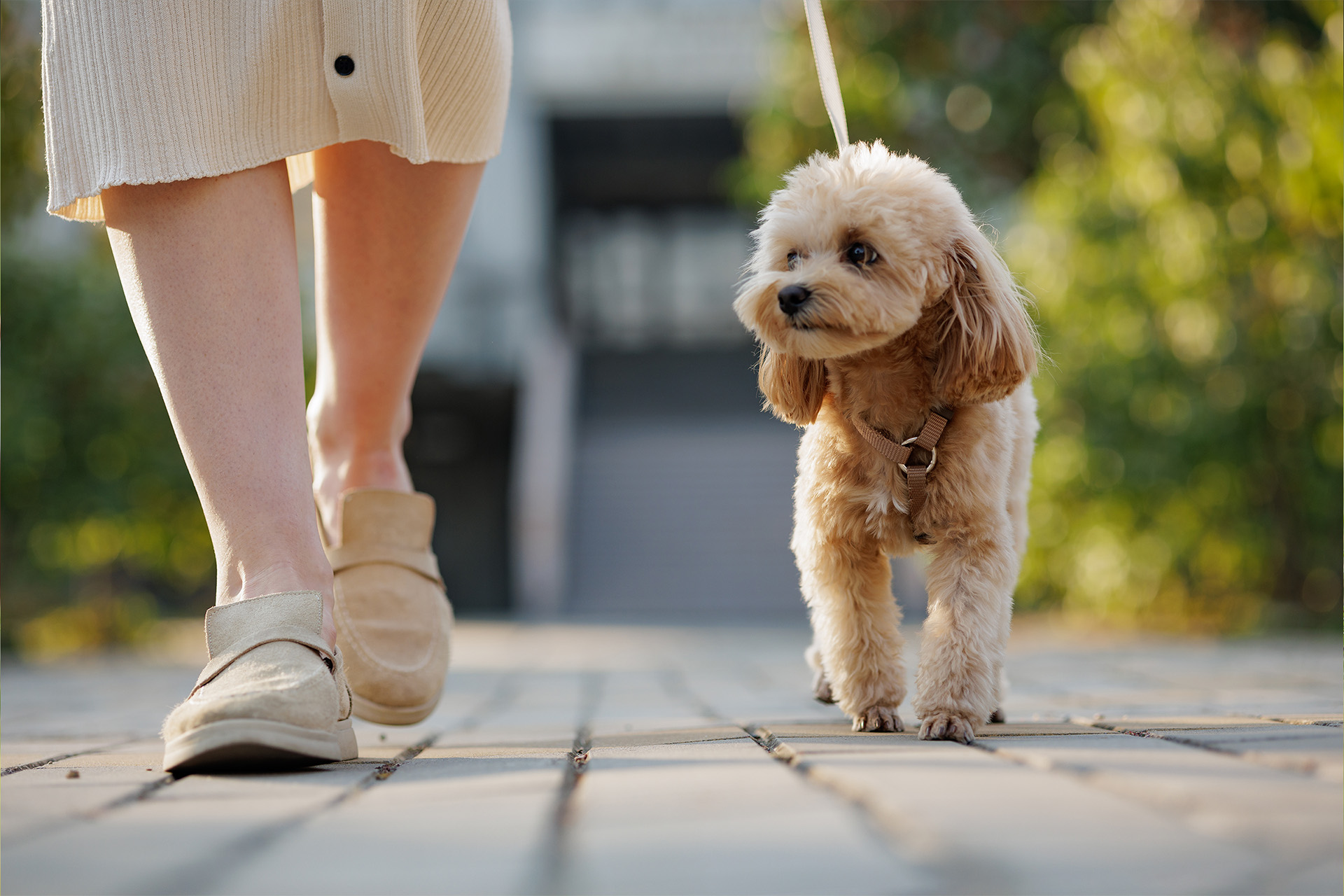
A walk gives a dog opportunities to smell, observe and interact with the world. A game can combine movement with problem-solving and social interaction. Even changing a familiar walking route can introduce new stimulation.
There is no universal amount or type of exercise that’s right for every dog.
Age, breed, size, physical condition, temperament and lifestyle can all influence what kind of activity is appropriate. A young, energetic dog may enjoy longer or more dynamic activities, while an older dog may benefit from gentler and more manageable movement.
Consistency matters more than turning every day into a workout.
A tired dog isn’t necessarily a fulfilled dog.
Mental stimulation is another important part of everyday wellness.
Dogs experience much of their world through smell, exploration and interaction. Giving them opportunities to use those natural behaviors can make everyday routines much richer.
Simple enrichment can include:
Enrichment doesn’t have to be elaborate.
Sometimes giving your dog an extra few minutes to investigate an interesting smell on a walk is enrichment too.
Activity matters. So does recovery.
Dogs need opportunities to rest and sleep in an environment where they feel comfortable and undisturbed.
A predictable routine can also help create balance between activity, interaction and downtime.
Every dog is different. Some naturally settle easily, while others need a little more help switching off after an exciting day.
Wellness isn’t about keeping a dog constantly entertained. Sometimes doing nothing is exactly what they need.

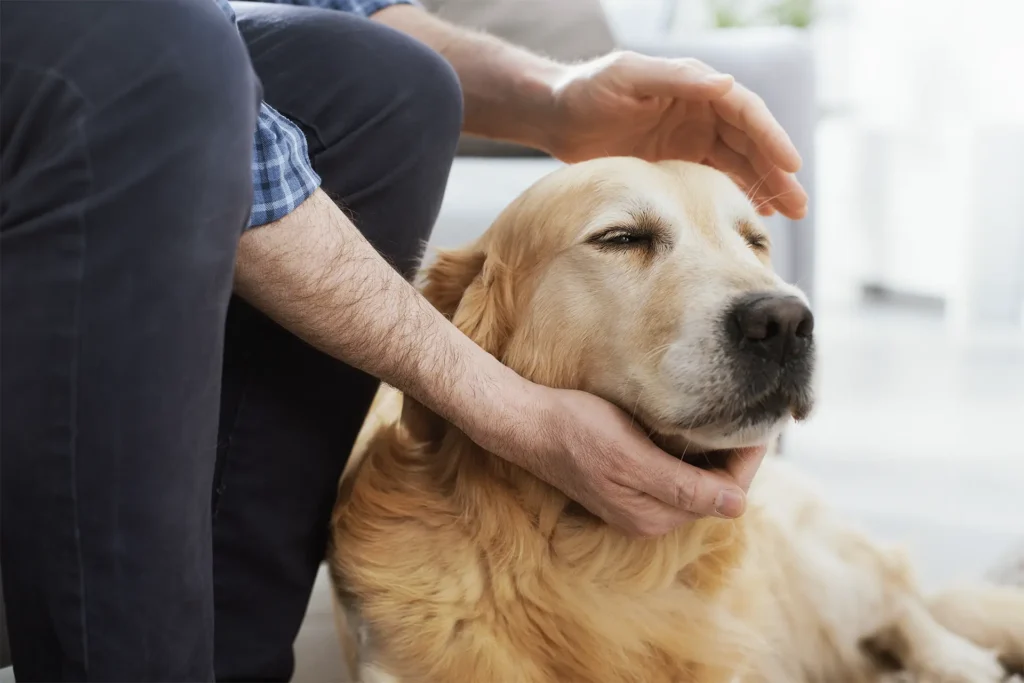
You know your dog’s everyday behavior better than almost anyone.
That makes you uniquely positioned to notice when something changes.
Maybe they’re drinking more than usual. Taking longer to get up. Leaving food in the bowl. Losing or gaining weight. Hesitating before jumping onto the couch. Sleeping differently. Or simply behaving in a way that doesn’t feel quite like them.
Not every change means something is wrong. But changes that persist, appear suddenly or concern you are worth discussing with your veterinarian.
Paying attention is one of the simplest forms of preventive care.
Wellness also includes the less glamorous parts of living with a dog.
Dental care, grooming, nail care, parasite prevention and routine veterinary visits all contribute to a broader preventive-care routine.
Oral health deserves particular attention. Dental and periodontal problems are common in dogs, which is why professional veterinary guidelines include dental care as part of preventive healthcare throughout a dog’s life.
The exact routine will vary from dog to dog.
What matters is making these things part of normal care rather than thinking about them only when a problem appears.
There is no single wellness routine that works for an entire lifetime: dogs’ needs evolve.
A growing dog has different nutritional, behavioral and physical needs from a mature adult. Senior dogs may experience changes in mobility, body condition, senses, energy levels or recovery time. Breed and size matter too. Dogs do not all age at the same rate, which is one reason veterinary life-stage recommendations consider more than chronological age alone.
So the question isn’t simply:
“Is this healthy for dogs?”
A better question is:
“Is this appropriate for my dog, at this stage of their life?”
That small shift in thinking can make everyday care much more personal.