

Mental enrichment is about creating opportunities for dogs to use their minds and engage in behaviors that come naturally to them. That can mean investigating a new smell, figuring out how to reach a treat inside a puzzle toy, learning a new cue, exploring an unfamiliar walking route or simply spending time interacting with the people around them.
Enrichment doesn’t have to be complicated, expensive or time-consuming. In fact, some of the most meaningful opportunities are already part of everyday life.
A walk can become an opportunity to explore. Mealtime can involve a little problem-solving. A few minutes of training can turn into a shared activity.
The idea isn’t to keep your dog constantly busy. It’s to give them appropriate opportunities to be curious, make choices and interact with their environment.
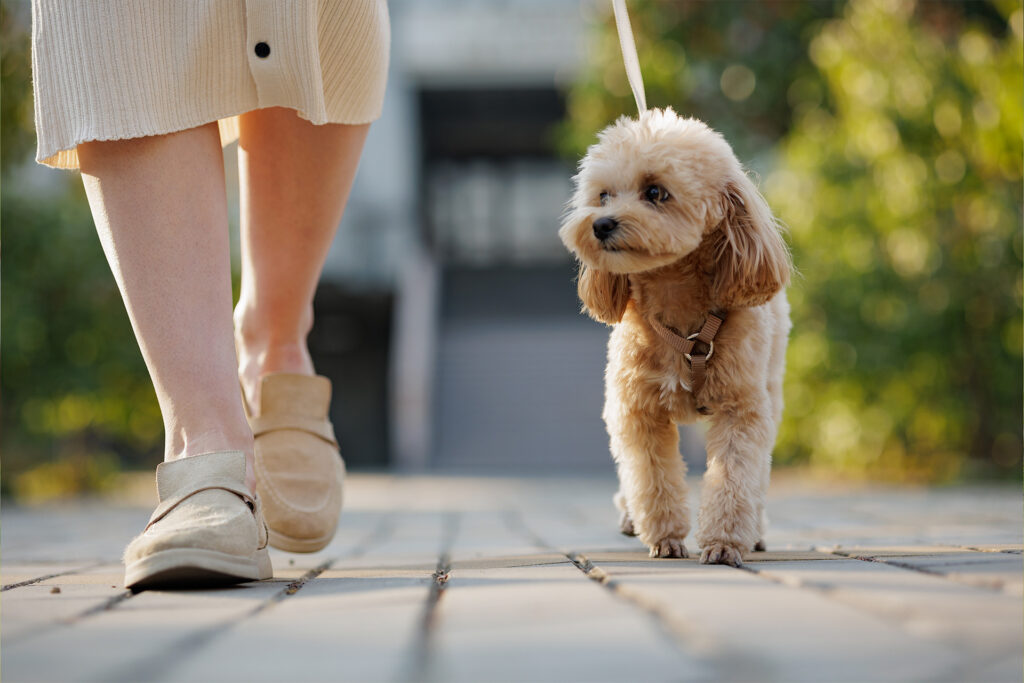
For us, a walk may look like a familiar route around the neighborhood. For a dog, there’s much more going on.
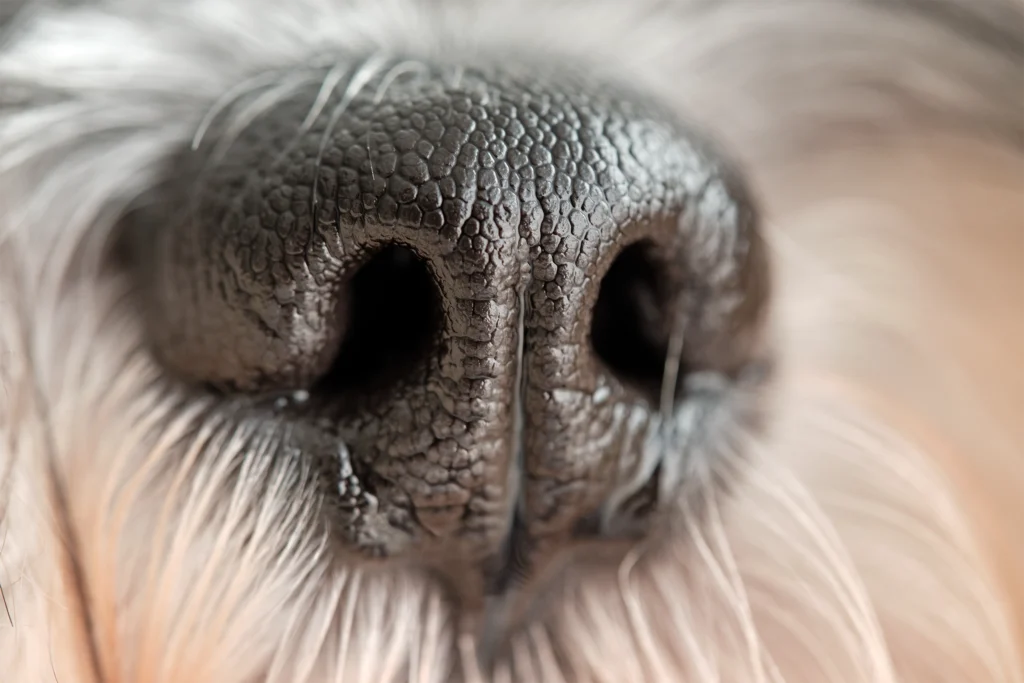
Dogs experience their surroundings largely through scent. A patch of grass, a tree or a corner that seems completely ordinary to us can carry information worth investigating.
That’s why a walk doesn’t always have to be measured by distance or speed. Allowing your dog appropriate time to sniff and explore can turn an everyday walk into a sensory experience. You can also introduce variety by occasionally changing routes or visiting safe new environments. Sometimes slowing down can make a walk more interesting.
Instead of thinking only about how far you’ve gone, pay attention to how much your dog has had the opportunity to discover along the way.
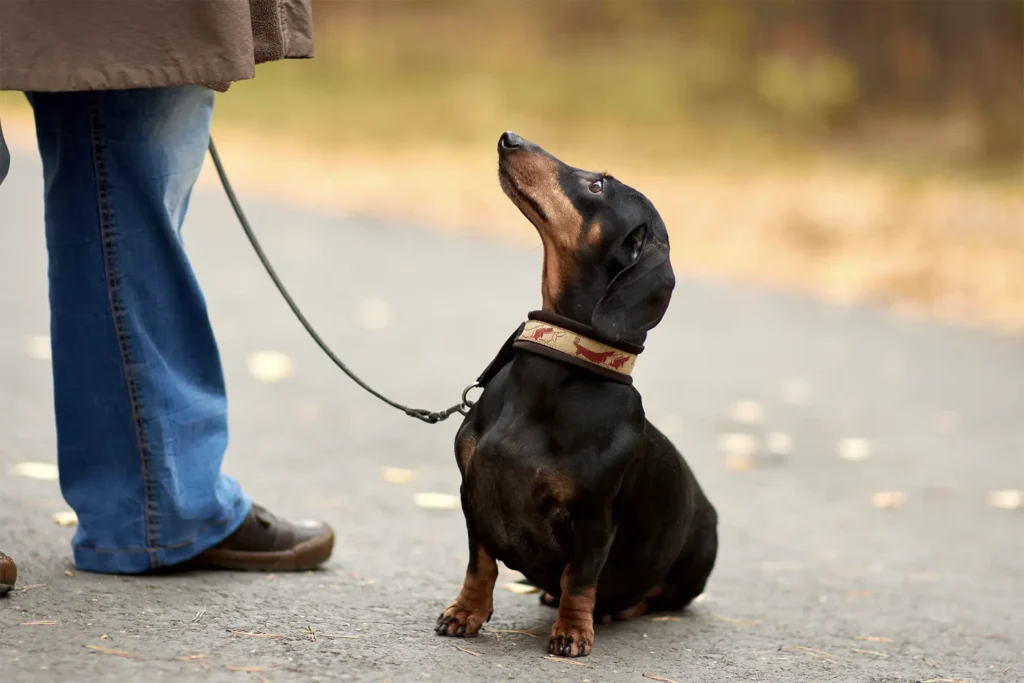
Mental enrichment doesn’t need its own place in your calendar.
Many everyday activities can become opportunities for your dog to think and explore. You might hide a favorite toy and encourage your dog to find it. Use an appropriate food puzzle at mealtime. Practice a familiar cue in a different room. Scatter a few treats in a safe area for your dog to search for, while keeping their overall daily intake in mind.
Even small changes can introduce something new.
The key is finding activities that are appropriate for your individual dog and keeping the experience positive. A challenge should be interesting, not frustrating. Start simply and observe how your dog responds. If they understand the activity and seem interested, you can gradually make it a little more challenging.
If there’s one form of enrichment that’s particularly easy to bring into everyday life, it’s scent-based exploration.
Sniffing is a natural part of how dogs investigate their environment. You don’t need specialist equipment to encourage it. You can hide a toy somewhere easy to find, scatter part of an appropriate food allowance across a safe area, introduce your dog to a new walking route or simply give them more time to investigate during a walk.
The experience doesn’t have to look exciting from our perspective. A dog standing in one spot and carefully investigating a scent may appear to be doing very little.
From their perspective, there may be plenty to discover.
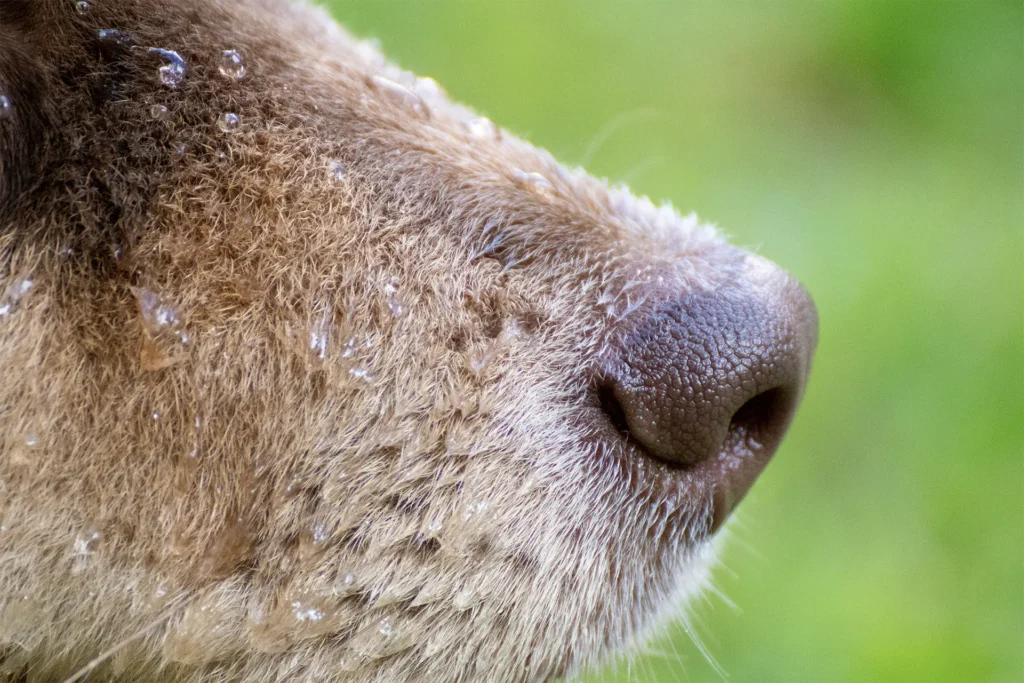
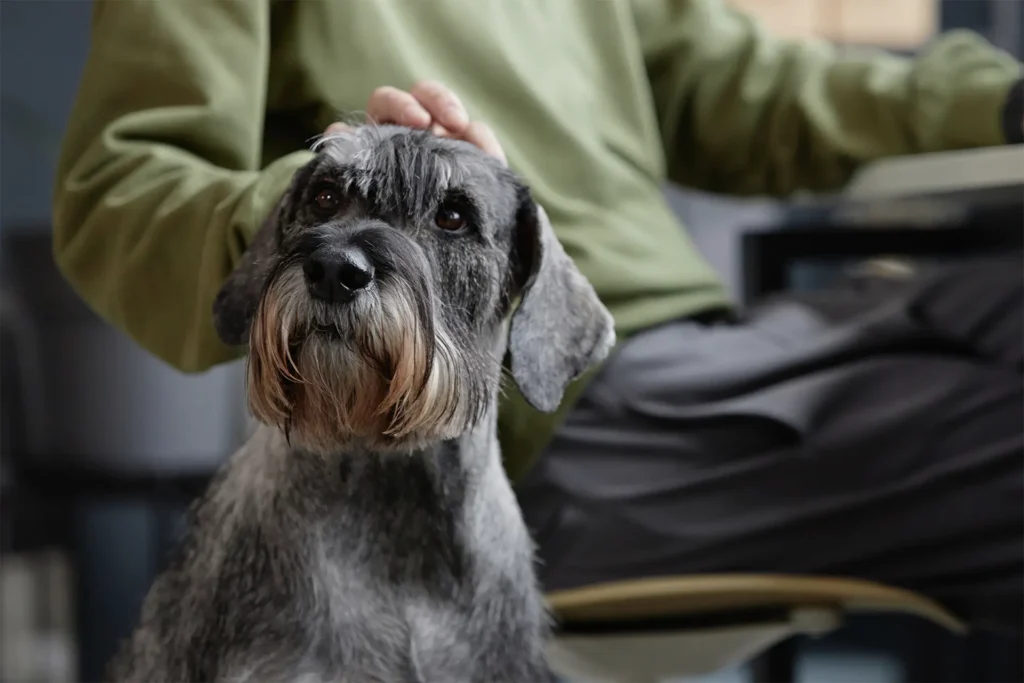
Training doesn’t have to be limited to teaching the basics. Short, positive sessions can provide another opportunity for dogs to focus, learn and interact with us.
You can practice something your dog already knows, introduce a simple new cue or turn familiar behaviors into a small game. Keep sessions appropriate for your dog’s attention span and abilities, and use positive, reward-based interactions.
The goal doesn’t have to be perfect performance. Sometimes the process of figuring something out together is the most valuable part.
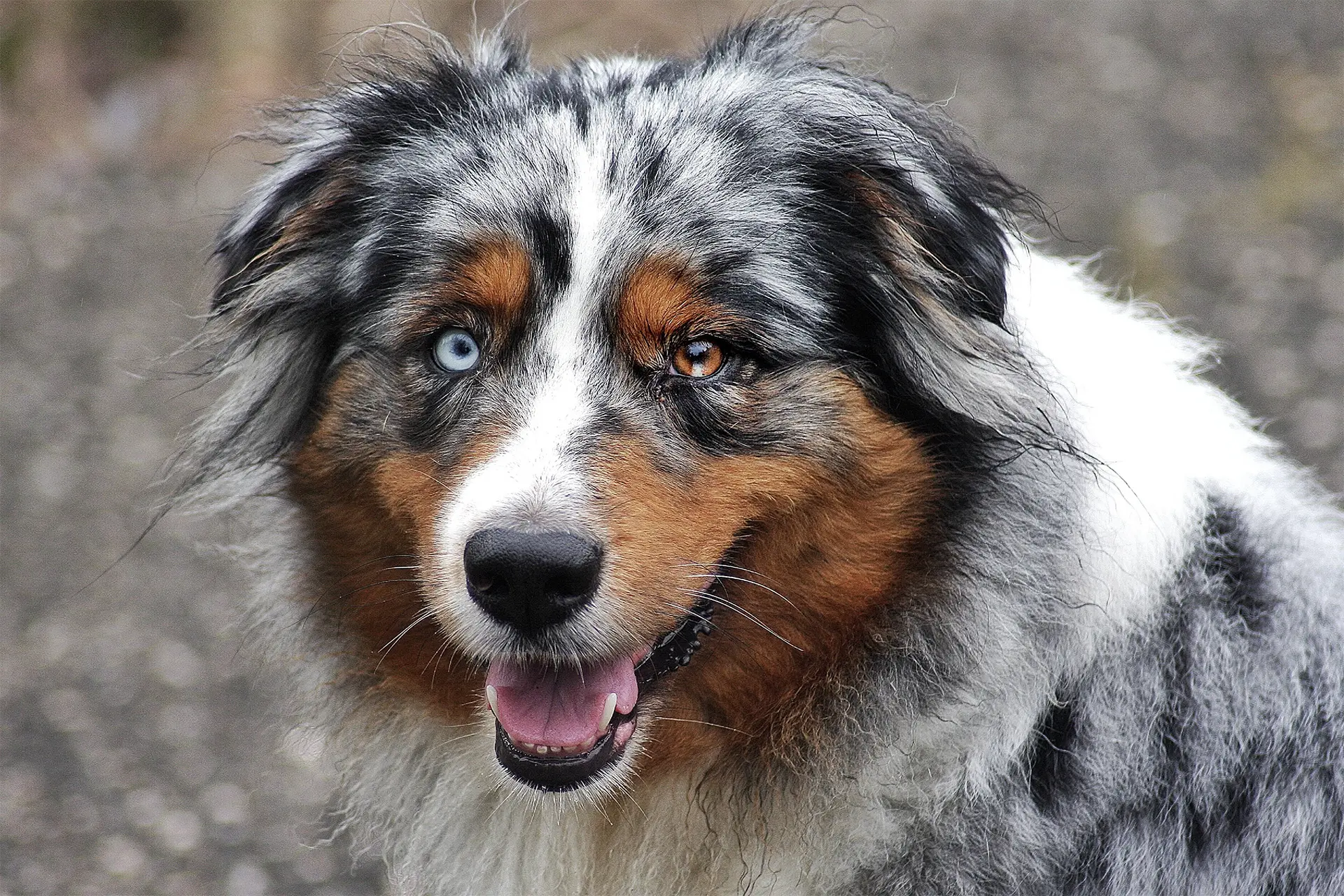
Not every dog finds the same things interesting.
One dog might happily spend time investigating every scent on a walk. Another may be especially interested in toys, learning new cues or interacting with people.
Age, physical abilities, personality, previous experiences and environment can all influence which activities are appropriate and enjoyable. That means enrichment shouldn’t become another checklist of things your dog “should” be doing.
Watch your dog instead. Which activities hold their attention? What do they return to? When do they seem engaged, and when do they walk away?
Giving dogs appropriate choices can tell us a lot about what they actually enjoy.
Enrichment is about creating meaningful opportunities, not filling every moment of the day with activity. Dogs need downtime too.
After walking, playing, training or exploring, they should also have opportunities to settle and rest comfortably. This balance matters because everyday wellness is bigger than any single activity.
Movement matters. Mental engagement matters. Rest matters.
The right balance will look different for every dog and may change with age, lifestyle and individual needs. If you notice persistent or sudden changes in your dog’s behavior, activity, sleep or interest in things they normally enjoy, talk with your veterinarian rather than assuming they simply need more stimulation.