

Dogs don’t read calendars, but they quickly become familiar with the rhythms of everyday life. Breakfast. The morning walk. Quiet time while everyone gets on with their day. An afternoon game. Dinner. That familiar last trip outside before bed. A routine creates a framework around these everyday moments.
That doesn’t mean everything needs to happen at exactly the same minute each day. Real life changes, and dogs live within our lives too. Instead, think of routine as a familiar rhythm: enough consistency to make everyday care manageable, with enough flexibility to respond to your dog’s individual needs.
A good routine also helps us look at the whole day rather than focusing on one thing alone. Has there been time to move? To explore? To rest? To eat appropriately? To interact?
Sometimes the simplest way to think about wellness is to look at how all those small moments fit together.
Mornings can set the rhythm for the rest of the day. For many dogs, that might include an opportunity to go outside, some appropriate movement, access to fresh water and a meal according to their usual feeding routine. But there’s no universal morning schedule.
One dog may be ready to explore the moment everyone wakes up. Another may prefer a slower start.
The type and amount of activity that’s appropriate can also vary considerably depending on age, size, physical condition, lifestyle and individual needs.
Rather than copying someone else’s “perfect dog morning,” build yours around the dog in front of you.
Pay attention to their energy, habits and abilities and remember that those things can change over time.
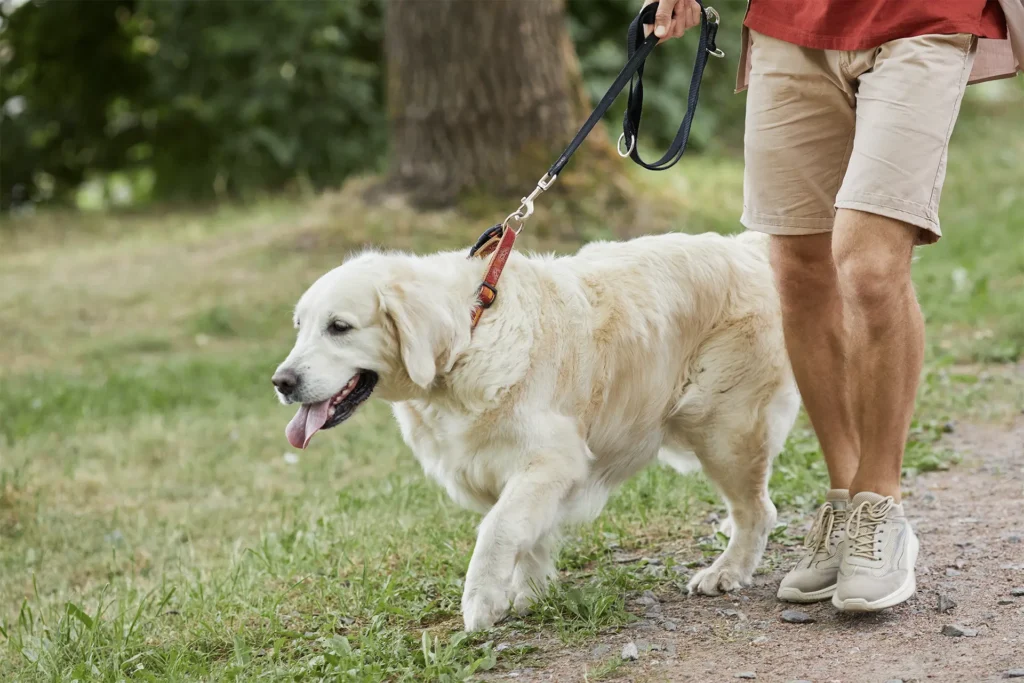
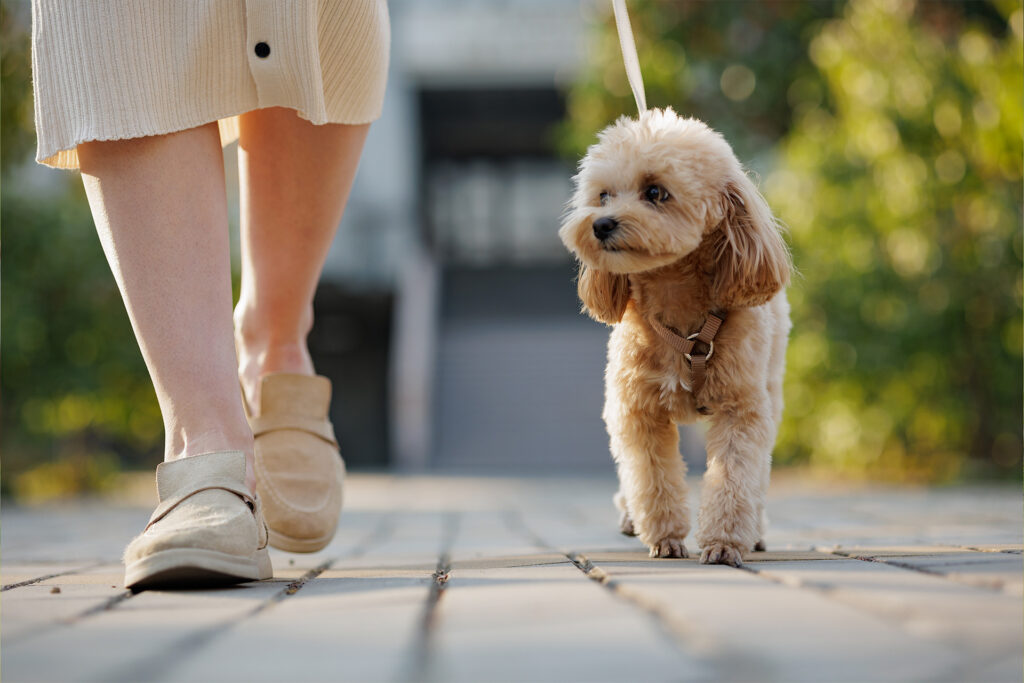
Physical activity is an important part of a dog’s routine, but a good walk isn’t necessarily about covering the greatest possible distance. Walking can combine movement with opportunities to sniff, observe and explore. The right type of activity will depend on the individual dog. Age, breed, size, physical condition and lifestyle can all influence what’s appropriate.
And variety can matter too. Some days might include a longer walk. Others may involve shorter outings, play or gentler activity. The aim isn’t to reach an arbitrary daily target.
It’s to make appropriate movement a regular part of life.
Not every meaningful activity needs to involve lots of movement. Sniffing, exploring, learning, searching and solving simple problems can all add variety to a dog’s day.
Mental enrichment can be surprisingly easy to incorporate into an existing routine. A walk can include extra time to investigate an interesting scent. A few minutes at home can become a short positive training session. A familiar toy can become part of a simple search game. You don’t necessarily need to add another activity to an already busy day.
Sometimes it’s simply about changing the way you use the moments that are already there.
Feeding is another natural anchor in the day. What, how much and how often a dog should eat depends on their individual nutritional needs, life stage, lifestyle and other factors.
A consistent feeding routine can also make it easier to notice changes.
If a dog who normally approaches mealtime enthusiastically suddenly leaves their food untouched, for example, that change may stand out more clearly when you’re familiar with their usual habits. Fresh water should always be appropriately available. And remember that treats, rewards and other foods offered throughout the day contribute to overall intake too.
If you’re unsure about your dog’s diet, feeding amount or nutritional needs, your veterinarian can help you determine an appropriate approach.
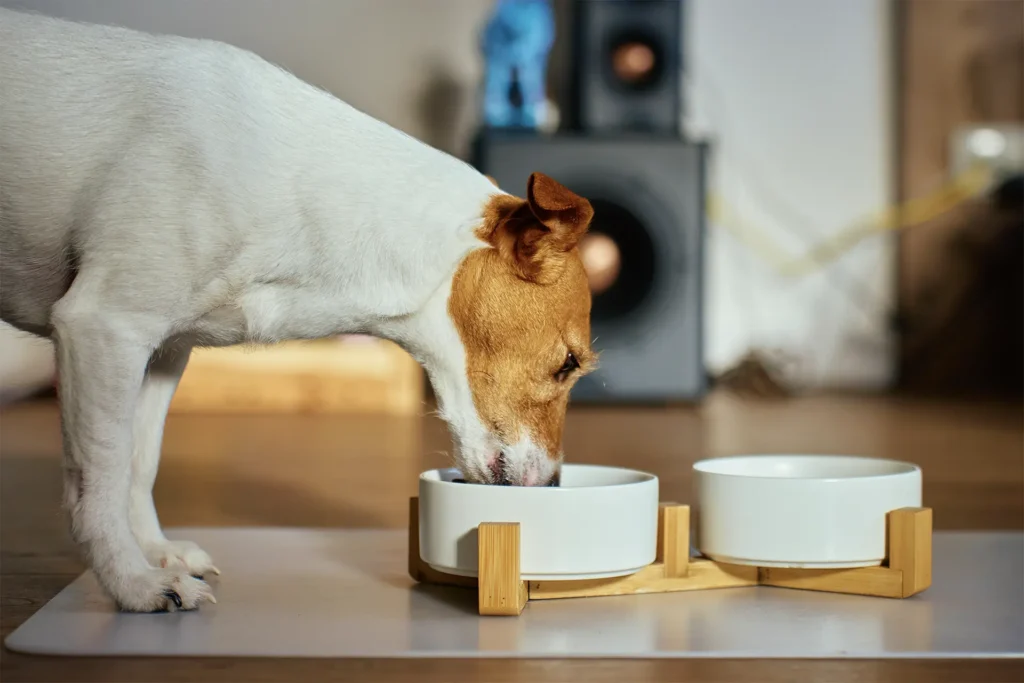
A healthy routine needs empty space.
Dogs also need opportunities to settle, rest and sleep without constantly being offered another activity. It’s easy to associate wellness with doing more another walk, another game, another activity. But more isn’t automatically better. A balanced day can include active moments and quiet ones.
Providing a comfortable place where your dog can rest undisturbed can be just as much a part of their everyday routine as going for a walk.
The balance between activity and downtime will be different for every dog.
Some parts of caring for a dog don’t happen every day, but they still belong in the bigger routine. Grooming, dental care, nail care, parasite prevention and regular veterinary visits are easier to remember when they become part of an ongoing approach rather than things we think about only occasionally.
The same is true of observation. You see your dog every day, which puts you in a good position to notice changes in appetite, movement, weight, energy, sleep or behavior.
You don’t need to interpret those changes yourself. If something changes suddenly, persists or concerns you, talk with your veterinarian.
Routine isn’t just about repetition. It also gives us a baseline for noticing when something feels different.
The routine that works today may not be the routine your dog needs forever. A young dog, an adult dog and a senior dog can have very different needs. Activity levels may change. Rest patterns may change. Nutritional requirements can change. The home environment or daily schedule may need to adapt too.
Even dogs of similar ages can have very different lifestyles and abilities. That’s why a healthy routine shouldn’t be treated as a fixed formula.
Think of it as something you build together and keep adjusting as your dog’s life changes.